
Principal Investigator
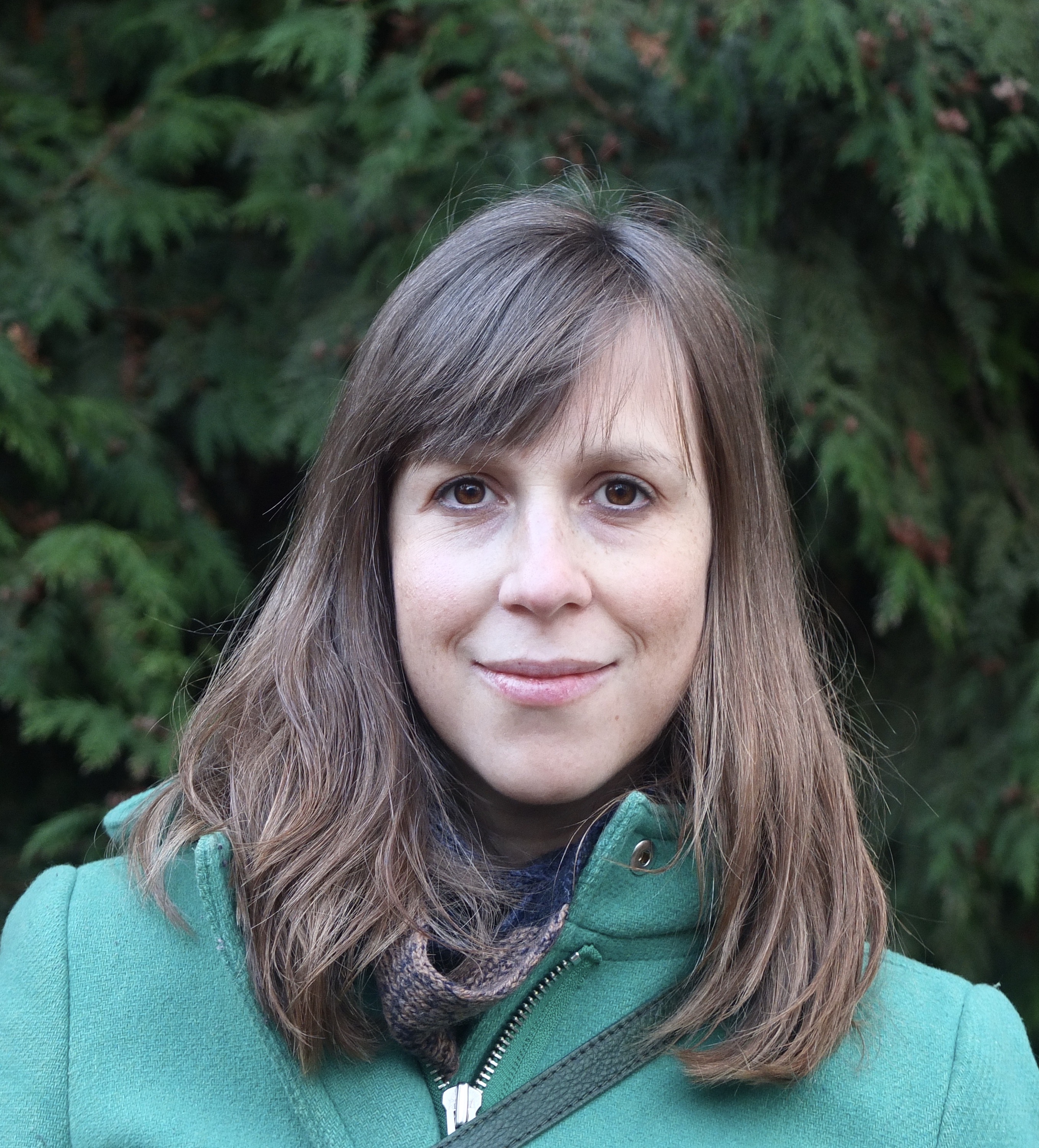
Ivana Konvalinka
ivako [at] dtu.dk
Google Scholar
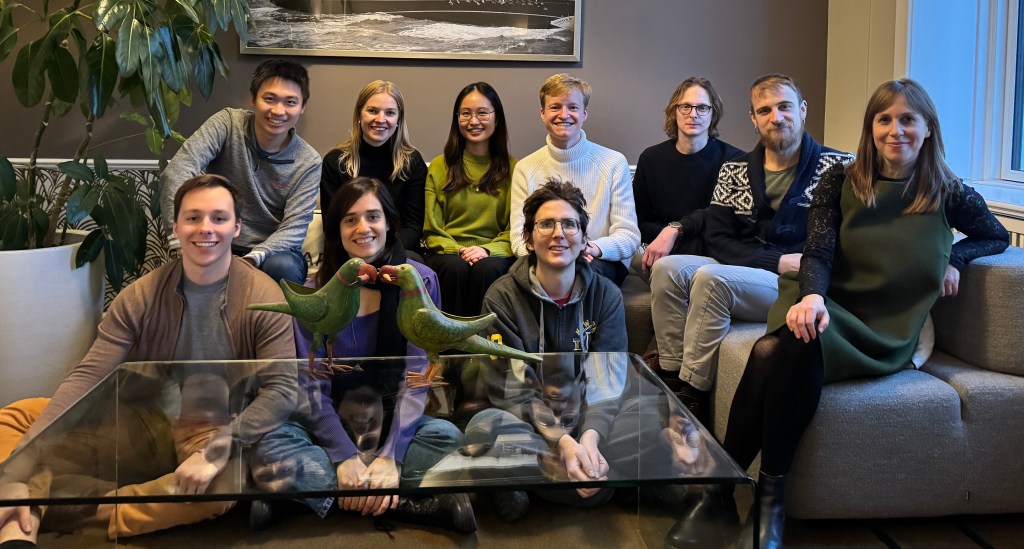
I am an Associate Professor in the Section for Cognitive Systems at the Technical University of Denmark (DTU Compute) where I lead the SINe Lab. I hold a BASc in Engineering Science from the University of Toronto and an MSc in Bioengineering from Imperial College London. I obtained my PhD in neuroscience from Aarhus University under the supervision of Andreas Roepstorff and Chris Frith, investigating intra- and interpersonal mechanisms underlying social coordination. Following my PhD, I joined CogSys at DTU as a postdoc, working with Lars Kai Hansen on applying machine learning to two-brain data. From 2013-2014, I was a postdoc at the Department of Cognitive Science at the Central European University working with Natalie Sebanz and Guenther Knoblich on physiological coupling.
During my PhD years, I became interested in understanding the neural and behavioural mechanisms that enable people to engage in successful social interaction. To accomplish this, I develop experimental and computational tools for quantifying two-person processes, and employ behavioural, physiological (HRV, respiration), and neuroimaging (EEG, fMRI) methods. In particular, my interests lie in i) how people coordinate their actions and bodily signals in real time, ii) what neurophysiological mechanisms underlie joint action, particularly how simultaneous brain recordings (hyperscanning) can better elucidate the neural basis of social cognition, and iii) how interaction dynamics are modulated by social properties such as prior relationship and social standing (i.e. in social networks). My work has been funded by the Danish Council for Independent Research, Villum Fonden (by the Villum Experiment and Villum Young Investigator grants) and the Carlsberg Foundation (Semper Ardens grant), and widely covered by media including National Geographic and The New York Times.
Postdoctoral Research Fellows
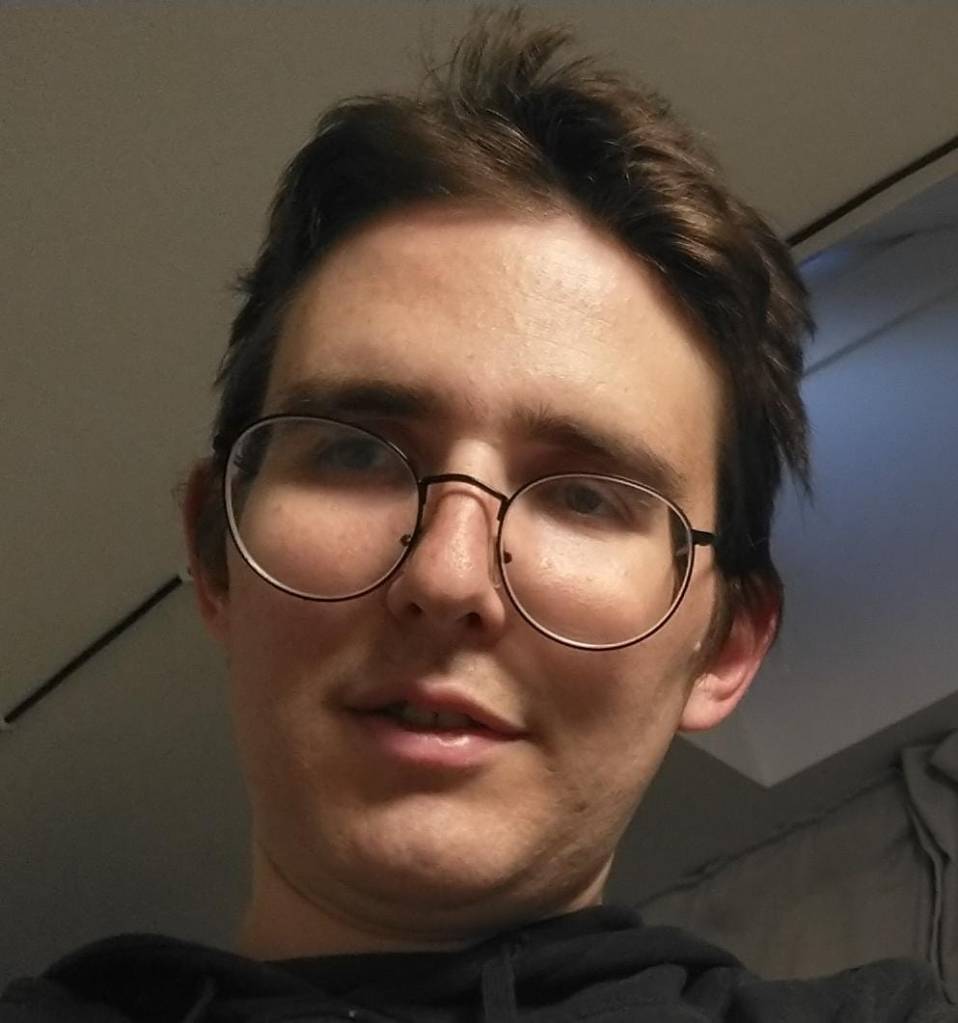
Dimitrios Askitis
dimas [at] dtu.dk
I joined SINe Lab as a Postdoc in September 2023. I am involved in a collaborative project on caregiver-infant synchrony, with the Centre for Early Childhood Cognition at the University of Copenhagen. In this project, we investigate how infants develop self-awareness during the first two years of life, looking into the interactions with their caregivers over time. For this, we use varioius behavioural (accelerometers, video recordings, eyetracking) and neuroimaging (fNIRS) modalities in a combination of naturalistic and lab settings. I am particularly interested in developing methods and tools for collecting and analysing data in naturalistic settings to enhance ecological validity.
Before joining this role, I had been a research engineer in the Centre for Early Childhood Cognition since 2019. I have been working with different types of behavioural and neuroimaging infant data, including eyetracking, pupillometry, EEG and fNIRS. I hold a master’s and PhD degree in mathematics from the University of Copenhagen, specialising in complex analysis and special functions, along with a bachelor’s degree in mathematics from the Aristotle University of Thessaloniki.
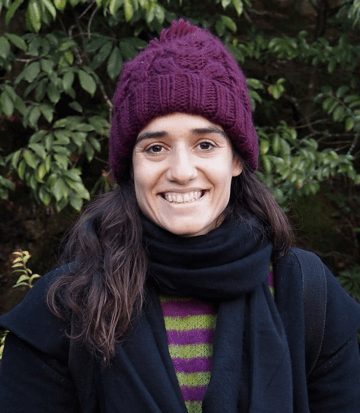
Kyveli Kompatsiari
kyvko [at] dtu.dk
I joined SINeLab as a Postdoc in spring 2023. My research lies in the investigation of behavioral and neural mechanisms underlying interpersonal synchrony. To this end, I use a combination of behavioral and electroencephalography (EEG) methods, as well as contemporary time-series analysis and dynamical modelling techniques. My experience with social cognition research dates to my PhD (Italian Institute of Technology, Ludwig Maximilian University) where I worked at the interface of cognitive science and human-robot interaction, examining the impact of eye contact, established by a humanoid robot, on gaze-mediated attentional orienting. I hold a Diploma in Electrical and Computer Engineering (Aristotle University) and a Professional Doctorate in Engineering (TU/e Eindhoven) with a focus on biomedical diagnostics.
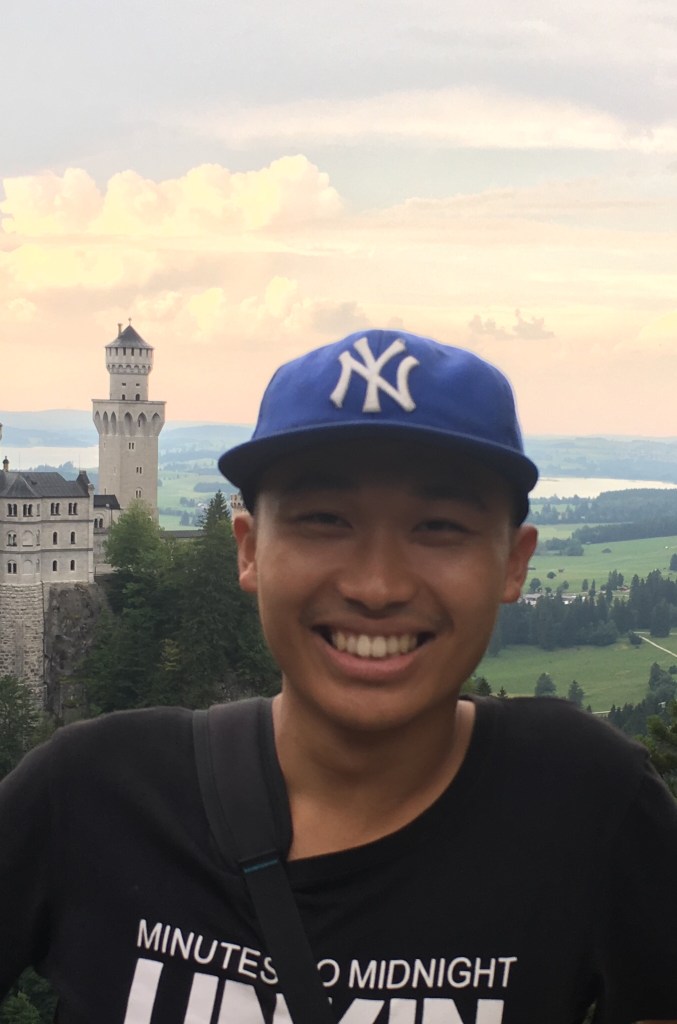
Qianliang Li
glia [at] dtu.dk
I hold a BSc. and MSc. in Molecular Biomedicine from the University of Copenhagen, during which I specialised in neuroscience and investigated sleep, the glymphatic system, and Alzheimer’s disease. In 2022, I obtained my PhD in machine learning from DTU Compute under the supervision of Tobias Andersen and Ivana Konvalinka, investigating potential EEG biomarkers for post-traumatic stress disorder and autism spectrum disorder.
Currently, as a postdoctoral researcher in SINe Lab, I am developing novel inter-brain methods, and investigating the neural mechanisms underlying social group interactions, and their association to social networks. Specifically, by employing hyperscanning EEG to experimental paradigms of group coordination, I am interested in characterising neural and behavioural group dynamics and their relation to group diversity.
PhD Students
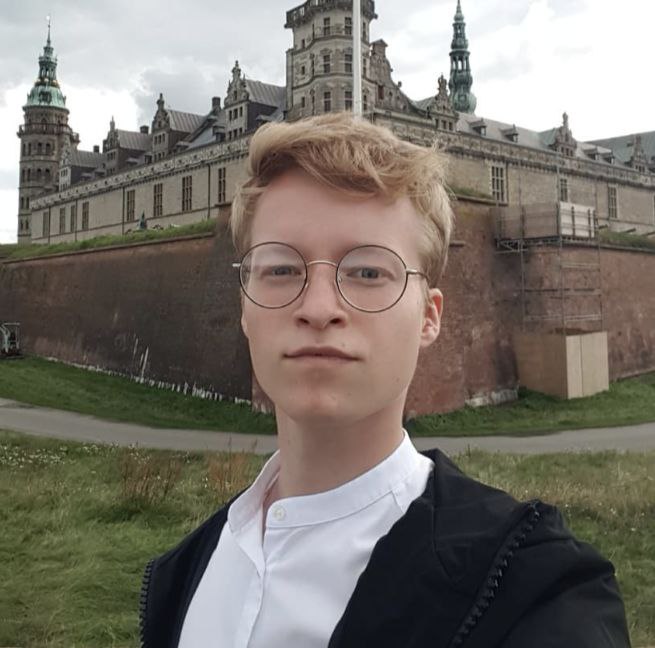
Aliaksandr Dabranau
aldab [at] dtu.dk
I am a PhD student in Social Cognition and Network Science at DTU Compute. My project explores the effects of social network properties of individuals on neural and behavioral dynamics in real-time social interaction. I combine network analysis and EEG-based hyperscanning. The project is supervised by Ivana Konvalinka and co-supervised by Sune Lehmann.
I joined the SINe Lab in 2022 as an intern while obtaining my Master’s degree from the University of Copenhagen, and later, I wrote my Master’s thesis on inter-brain synchrony in collaboration with the SINe Lab. After working as a Research Assistant for some time, I became a PhD student in the SINe Lab in September 2023.

Hanlu He
hahea [at] dtu.dk
I hold a BSc. in AI and Data Science and a MSc. in Human-Centered AI from the Technical University of Denmark, where I developed a strong interest in social cognitive science through continuous work with the SINe lab. My master’s thesis investigated interpersonal heart rate synchrony as a measure of auditory engagement in real-world settings using data obtained from wearable sensors, in collaboration with Eriksholm Research Centre.
I joined the SINe lab as a PhD student in November 2023. My research focuses on the interpersonal temporal dynamics of group interaction. By combining a wide range of methods, including hyperscanning and machine learning on multimodal biological signals, I aim to explore the underlying mechanisms that enable the self to integrate with others, particularly in face-to-face conversations.
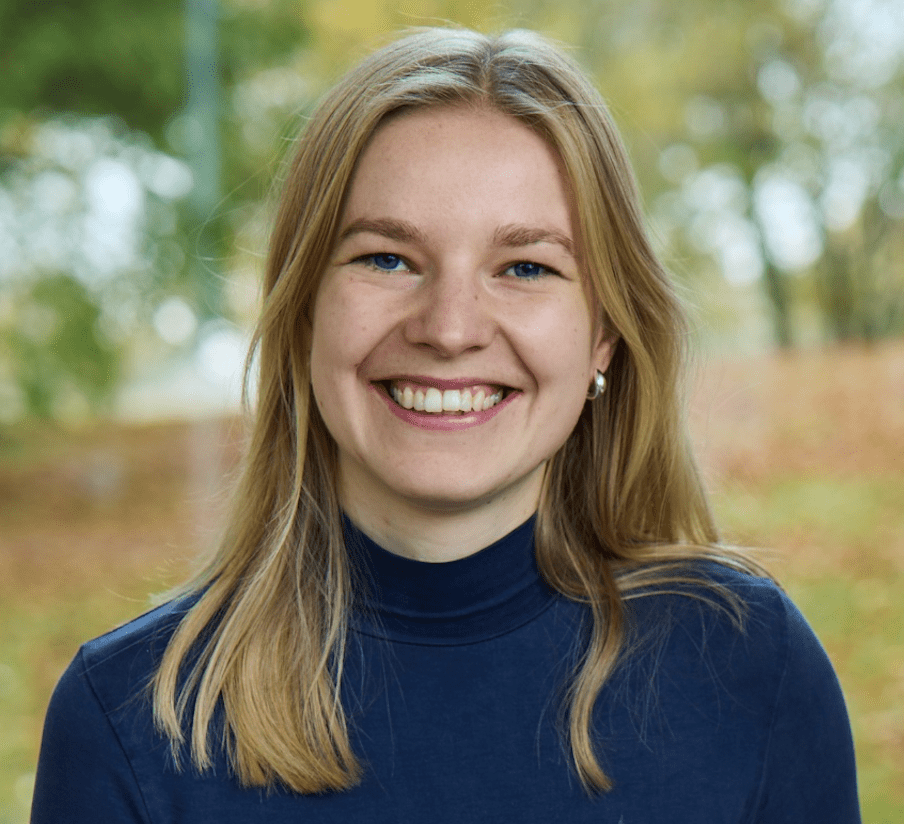
Kathrine Schultz-Nielsen
katsch [at] dtu.dk
I am a PhD student researching the cognitive and physiological underpinnings of engagement during listening, focusing on why staying engaged in noisy social settings is particularly challenging for individuals with hearing loss. My work explores how engagement, hearing loss, and the presence of others influence brain and body signal synchronization between individuals. To investigate this, I collect and analyze brain (EEG), physiological (e.g., heart rate), and behavioral (e.g., head movements) signals to assess whether physiological synchrony can serve as an objective marker of engagement in listening. The project is a collaboration between SINeLab at DTU Compute and Eriksholm Research Centre, funded by the William Demant Foundation.
My journey into the field of social cognition began with a BSc Eng in Artificial Intelligence and Data Science from DTU, where I developed a keen interest in using data science to study human social behavior and its neural underpinnings. This interest ultimately led me to pursue an MSc in Cognitive Science at Aarhus University, which I completed in 2024 before joining SINeLab as a PhD student.
Research Assistants
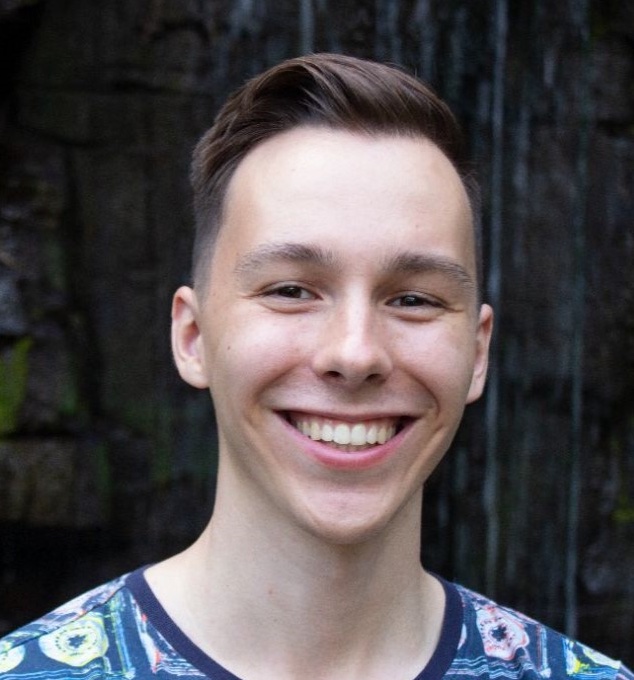
Mario Medoni
s204684 [at] student.dtu.dk
I am an MSc student in Human-Centered AI at the Technical University of Denmark, with a keen interest in merging artificial intelligence with social cognition. My journey into this field began with a project during my General Engineering BSc studies, where I applied machine learning to EEG data, sparking my fascination with the potential of AI to enhance our understanding of social interactions.
In 2024, I joined the SINe Lab team as a Student Research Assistant, where I support experiments and data analysis. My work focuses on employing AI techniques to dissect complex social cognition data, aiming to bridge the gap between technology and the nuances of human behavior.
Alumni
Arianna Schiano Lomoriello, Postdoc (2019, 2023-2025)
Vjeran Keric, Research Assistant (2024)
Francesco Goretti, visiting PhD student (2024)
Rui Liu, Postdoc (2022-2023)
Camilla Gregorini, visiting PhD student (2022-2023)
Marius Zimmermann, Postdoc (2019-2021)
Clizia De Mitri, Erasmus student (2019)
Ole Adrian Heggli, PhD student (2016-2019)
Roberta Rocca, visiting PhD student (2018-2019)
Esther Ørbæk Chemnitz, intern (2019)
Collaborators
Tobias Andersen, DTU Compute, Denmark
Markus Bauer, The University of Nottingham, UK
Jeppe H. Christensen, Eriksholm Research Centre, Denmark
Guillaume Dumas, University of Montreal, Canada
Chris Frith, Wellcome Trust Center for Neuroimaging, University College London, UK
Lars Kai Hansen, Technical University of Denmark (DTU), Denmark
Ole Adrian Heggli, Aarhus University, Denmark
Leonie Koban, University of Colorado Boulder, USA
Günther Knoblich, Central European University (CEU), Austria
Sune Lehmann, DTU Compute/SODAS, Denmark
Janeen Loehr, University of Saskatchewan, Canada
Carolyn Parkinson, UCLA, USA
Giovanni Pezzulo, ISTC-CNR, Rome, Italy
Andreas Roepstorff, Aarhus University, Denmark
Natalie Sebanz, Central European University (CEU), Austria
Joshua Skewes, Aarhus University, Denmark
Victoria Southgate, University of Copenhagen, Denmark
Cordula Vesper, Aarhus University, Denmark
Peter Vuust, Aarhus University, Denmark
Maria Witek, University of Birmingham, UK
Agnieszka Wykowska, Istituto Italiano di Technologia, Italy
Anna Zamm, Aarhus University, Denmark
Marius Zimmermann, University of Regensburg, Germany
 SINe Lab